
You may have recently seen headlines or social media posts discussing a proposed name change from PCOS to PMOS. While the condition itself has not changed, the updated terminology aims to better reflect the broader hormonal and metabolic aspects that many people experience.
For years, many people living with PCOS have expressed frustration with the name “Polycystic Ovarian Syndrome”, particularly because it can be misleading and does not fully capture the complexity of the condition. The proposed new term – PMOS, or PolyMetabolic Ovarian Syndrome – is intended to better represent the whole-body nature of this condition.
At Yin Wellness, we regularly support people navigating PMOS (PCOS) and hormonal health concerns with acupuncture and Chinese medicine.
Why has the name changed?
This change reflects growing recognition that the condition is not simply about the ovaries, and that many people experience symptoms relating to metabolism, hormones, inflammation, mental health, skin, digestion, fertility and long-term health risks.
Importantly, the proposed name change to PMOS does not mean people will suddenly receive different diagnoses or entirely different treatment plans overnight. Rather, it is an effort to improve understanding, reduce confusion and better reflect the lived experience of those navigating the condition.
Why PMOS?
As mentioned, PMOS stands for PolyMetabolic Ovarian Syndrome.
The inclusion of the word “metabolic” is significant. Many people with PCOS experience symptoms or health concerns connected to blood sugar regulation, insulin resistance, energy levels, inflammation and metabolic health – even if these are not always immediately obvious.
The new terminology acknowledges that this condition often extends well beyond the reproductive system. One of the main concerns with the term “PCOS” is that it can be misleading. Despite the name, many people diagnosed with PCOS do not actually have ovarian cysts. The “cysts” commonly referred to are usually immature follicles seen on ultrasound rather than true ovarian cysts.
At the same time, some people may have polycystic-appearing ovaries on ultrasound without having the syndrome itself. The previous name has also been criticised for placing too much emphasis on fertility and ovarian appearance, while underrepresenting the metabolic, hormonal and emotional aspects many people experience daily.
For some, the terminology has contributed to delayed diagnosis, confusion or feeling dismissed when their symptoms extended beyond reproductive health. The shift toward PMOS aims to create language that is more accurate, inclusive and reflective of the whole-body impact this condition can have.
What symptoms can still occur with PMOS?
While the name may be changing, the symptoms and experiences associated with the condition remain the same.
PMOS (previously PCOS) may still involve:
-
Irregular or absent periods
-
Ovulation irregularities
-
Difficulty conceiving
-
Acne or skin changes
-
Excess hair growth or hair thinning
-
Weight fluctuations
-
Insulin resistance
-
Fatigue
-
Mood changes
-
Increased inflammation
-
Sleep disturbances
Irregular ovulation is also one of the key features used in diagnosis. Under the Rotterdam criteria – the most widely used diagnostic framework for PMOS (PCOS) – ovulation irregularity is one of three core markers, alongside signs of elevated androgens and polycystic-appearing ovaries on ultrasound. Only two of these three features are needed for diagnosis, which helps explain why not everyone with PMOS has “cysts” on ultrasound.
Often due to this irregularity of menstrual cycles, people can experience fertility-related concerns, while others may struggle more with cycle irregularity, skin symptoms, energy, metabolic health or emotional wellbeing. Not everyone will experience the same symptoms, and symptoms can shift over time and through different life stages.
PMOS, Ovulation and Fertility
For those trying to conceive, one of the most frustrating impacts of PMOS is its effect on fertility and ovulation. Hormonal and metabolic changes associated with PMOS can contribute to irregular or absent menstrual cycles, making it more difficult to predict if or when ovulation is occurring. Some people may ovulate infrequently, while others may experience cycles where ovulation does not occur at all.
This unpredictability can make trying to conceive feel stressful, confusing and emotionally exhausting, particularly when cycles vary significantly from month to month and longer cycles mean less opportunity to ovulate and conceive. PMOS may also be associated with changes in egg development, insulin resistance, inflammation and hormone regulation, all of which can influence reproductive health and fertility outcomes.
How can acupuncture and Chinese medicine support PMOS (previously PCOS)?
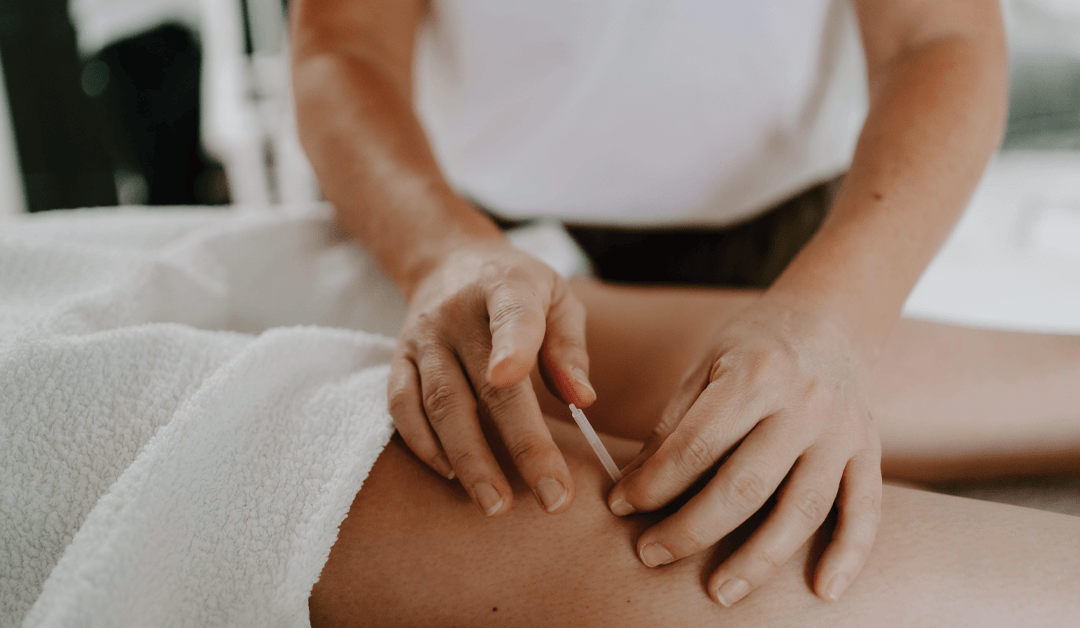
At Yin, we regularly support people with PMOS (PCOS) who are preparing for pregnancy, trying to conceive naturally or undergoing fertility treatment such as ovulation induction or IVF. We use acupuncture and Chinese medicine (including supplement, herbal and lifestyle advice) alongside medical care to support cycle tracking, ovulation awareness, stress management and overall reproductive wellbeing as part of a multidisciplinary approach to fertility support.
We take a whole-body approach to supporting people with PMOS (and all hormonal or menstrual conditions). Chinese medicine does not simply look at one symptom or diagnosis in isolation. Instead, treatment aims to consider the broader picture – including menstrual health, stress, sleep, digestion, nervous system regulation, energy levels and emotional wellbeing. (1)
Many people with PMOS describe feeling frustrated by symptoms that seem disconnected, or feeling as though they are constantly managing multiple concerns at once. One of the strengths of a Chinese medicine approach is that it considers how these systems may influence one another. One of the things we love about the move from PCOS to PMOS is that it encourages broader conversations around hormonal and metabolic health.
If you are navigating PMOS (PCOS) irregular cycles, fertility concerns or hormonal symptoms and would like support through acupuncture and Chinese medicine, our practitioners are here to help.
References
1. Lim CE, Wong WS. Current evidence of acupuncture on polycystic ovarian syndrome. Gynecol Endocrinol. 2010 Jun;26(6):473-8. doi: 10.3109/09513591003686304. PMID: 20230329.