
Moxibustion
Moxibustion, or moxa, is a traditional Chinese medicine technique that uses the gentle warmth of a dried herb called mugwort to warm specific areas of the body or acupuncture points.
At Yin, moxibustion is one of the traditional Chinese medicine techniques we may use as part of your treatment. It isn’t something we use in every treatment, but rather one of the tools we may draw on depending on you and what we’re working on.
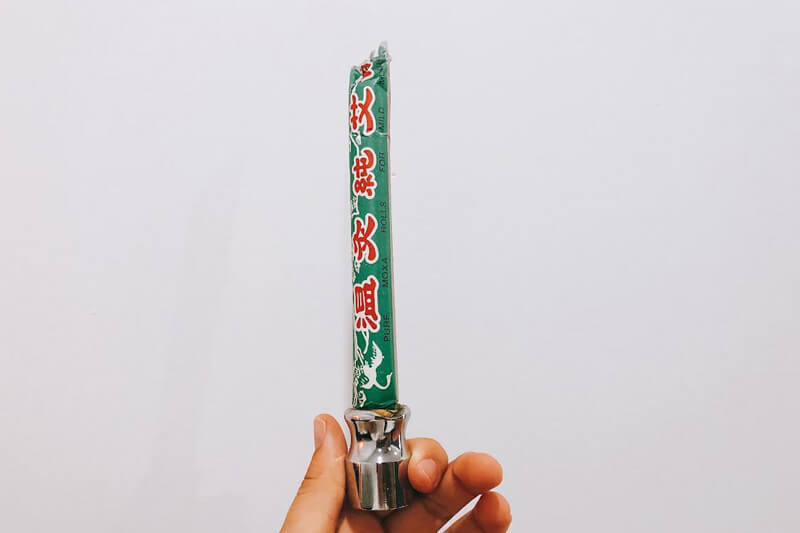
What is moxibustion?
Moxibustion has been used in Chinese medicine for thousands of years. It uses dried mugwort, known as moxa, to create gentle warmth over or near specific areas of the body or acupuncture points.
Moxibustion can be used in a number of different ways, and there are several forms and techniques used within Chinese medicine. At Yin, we use a variety of approaches depending on the treatment and the individual.
The warmth of moxa is traditionally used in Chinese medicine to support the movement of qi and blood and to warm areas where cold is considered to be contributing to a particular pattern.
Your practitioner will consider your individual symptoms, constitution and Chinese medicine pattern when deciding whether moxibustion has a place in your treatment.
Moxibustion during pregnancy
One of the situations where moxibustion is particularly well known is for breech presentation during pregnancy.
In Chinese medicine, moxa is traditionally applied near a specific acupuncture point on the little toe, known as BL67. It is thought to encourage movement and may be used to support the baby turning.
If you are pregnant and your baby is breech, talk to your midwife or obstetrician about your options and speak with your acupuncturist about whether moxibustion may be appropriate for you.
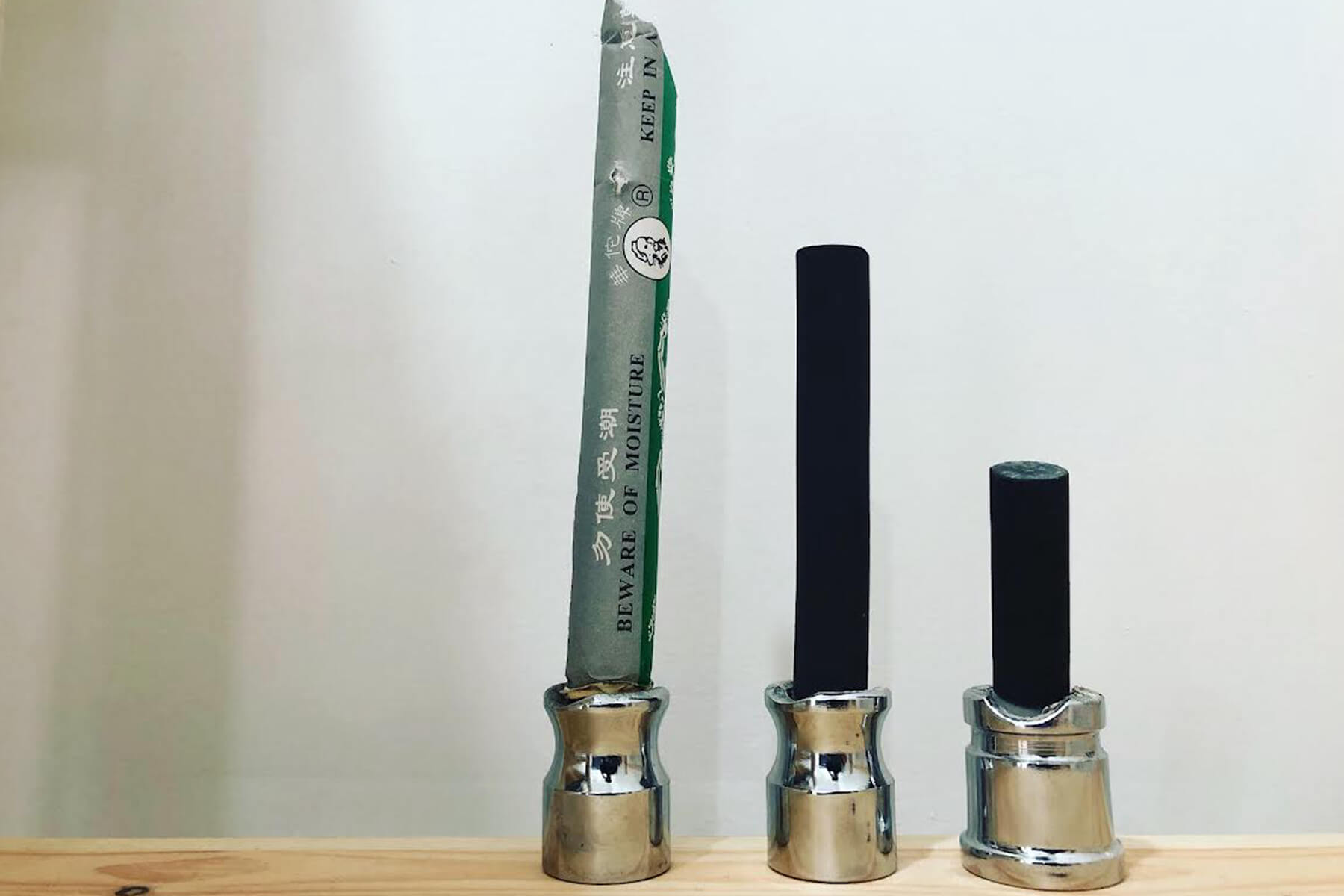
Where appropriate, we will also provide guidance around the use of moxa at home as part of a breech protocol.
Moxibustion for fertility
From a Chinese medicine perspective, some fertility presentations are associated with a pattern where warmth and circulation are particularly important.
When we identify a cold or yang deficiency pattern, moxibustion may occasionally be incorporated into fertility-focused acupuncture treatment.
This might involve gently warming particular acupuncture points or areas of the body alongside acupuncture.
We don’t use moxa simply because someone is trying to conceive. Chinese medicine treatment is individualised, so the approach will depend on your particular symptoms and presentation.
Moxibustion for pelvic pain
Warmth has traditionally been used in Chinese medicine where cold is considered to be contributing to pain or stagnation.
For some people experiencing pelvic pain or menstrual pain, moxibustion may therefore be incorporated into treatment when their Chinese medicine pattern suggests it is appropriate.
This is one reason we don’t take a diagnosis alone as the basis for treatment. Two people with the same diagnosis can have quite different Chinese medicine presentations and may need quite different approaches.
What does moxibustion feel like?
Moxa should feel comfortably warm rather than hot or burning. The warmth can feel quite deep and penetrating, and many people find it relaxing.
Your practitioner will make sure the moxa is used at a comfortable distance from the skin. If it ever feels too hot or uncomfortable, let us know straight away.
Is moxibustion right for me?
Moxibustion isn’t automatically added to an acupuncture treatment.
We look at the whole picture including both your symptoms, constitution, Chinese medicine pattern and what we’re trying to achieve. We then choose the techniques that make sense for your diagnosis.
Sometimes that includes moxa. Sometimes it doesn’t. Moxibustion is just one of the many tools available within Chinese medicine. We take an individual approach to treatment and choose the techniques that best fit you and what we’re working on together.