
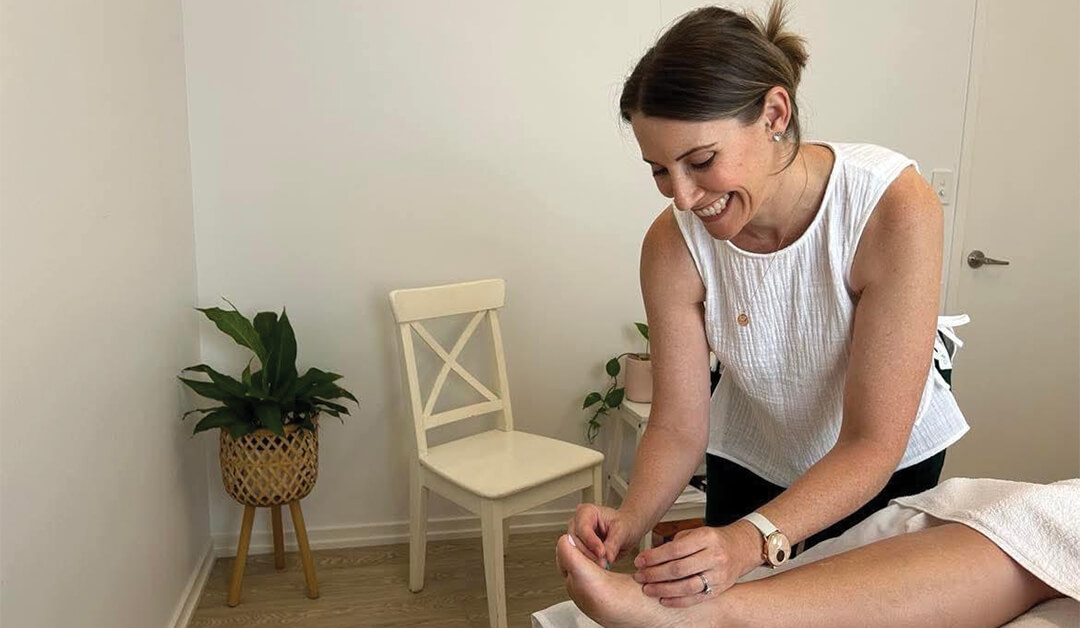
Pelvic pain can affect so much more than just your pelvis. It can influence your periods, sex life, exercise, sleep, work, relationships and, for some people, their fertility journey.
Pelvic pain can also be complicated. Sometimes there is a clear diagnosis such as endometriosis or adenomyosis, while for others pain can persist even when investigations haven’t identified one obvious cause.
Endometriosis is also something that is particularly close to my heart. Having my own experience with endometriosis has given me a personal understanding of how much pelvic pain can affect everyday life, and it’s one of the reasons I love supporting people who are navigating endometriosis and other pelvic pain conditions.
At Yin, we support people experiencing a range of pelvic pain conditions, including endometriosis, painful periods, pelvic floor tension, pain with sex and vulval pain.
We also believe pelvic pain is rarely something that needs to be managed by one practitioner alone. We work closely with our industry colleagues, including gynaecologists and pelvic floor physiotherapists, and often encourage a multidisciplinary approach depending on what someone needs.
Acupuncture can be one part of that bigger picture.
What is pelvic pain?
Pelvic pain describes pain felt anywhere in the lower abdomen, pelvis or pelvic and genital region. It can be occasional or persistent, and for many people it changes throughout their menstrual cycle.
Pain might be:
-
related to your period
-
present throughout the month
-
triggered by sex or penetration
-
worse with exercise or prolonged sitting
-
associated with bowel or bladder symptoms
-
felt in the vulval or vaginal region
-
accompanied by pelvic floor tension or muscle pain.
There are many possible causes, and sometimes more than one factor contributes to someone’s symptoms. There are many possible causes, and sometimes more than one factor contributes to someone’s symptoms. Sometimes there can be a cascade effect where you have painful periods (dysmenorrhoea), that pain then causes your pelvic floor muscles to tighten which then in turn can cause more pain.
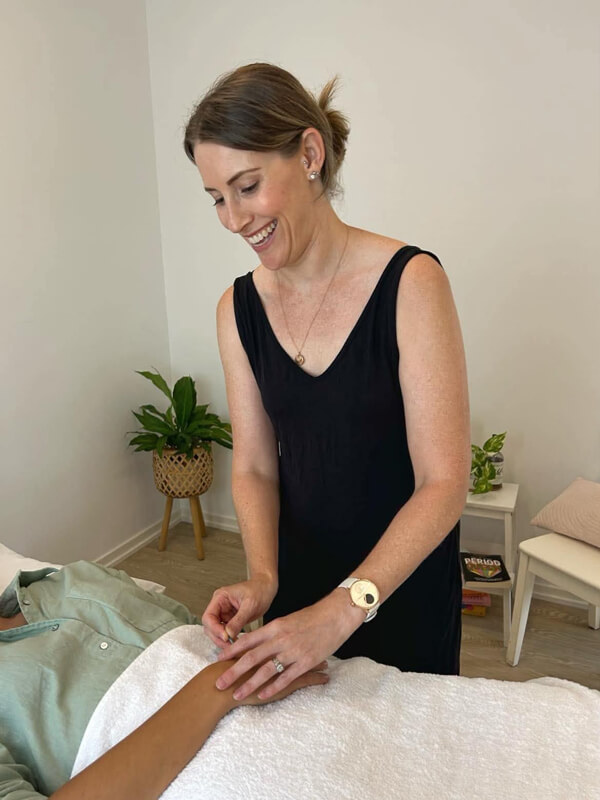
Some common causes of pelvic pain include:
-
Endometriosis
-
Adenomyosis
-
Painful periods (dysmenorrhoea)
-
Pelvic floor muscle tension or dysfunction
-
Vulval pain and vulvodynia
-
Pain with sex
-
Bladder or bowel conditions
-
Previous pelvic surgery or injury
-
Other gynaecological conditions.
This is one of the reasons pelvic pain can be so frustrating. There isn’t one cause, and there isn’t one treatment that works for everyone.
A proper assessment is an important first step in understanding what may be contributing to your pain.
Endometriosis and pelvic pain
Endometriosis is one of the conditions we commonly see alongside pelvic pain at Yin.
Endometriosis is a chronic condition where tissue similar to the lining of the uterus grows outside the uterus. It can cause painful periods, pelvic pain, pain with sex and bowel or bladder symptoms, and can also affect fertility for some people.
For some people, the pain associated with endometriosis can be severe and significantly affect everyday life. For others, symptoms can be less obvious or change over time.
Importantly, the amount of pain someone experiences doesn’t always correspond to the extent of endometriosis found on investigation.
Pain can also persist after treatment of the underlying endometriosis. This is one reason that managing endometriosis related pain can require more than addressing the endometriosis lesions themselves.
What does the research say about acupuncture and endometriosis?
A recent systematic review and meta-analysis published in 2025 looked specifically at acupuncture for endometriosis-related pain.
The review included 9 randomised controlled trials involving 535 participants. Overall, acupuncture was associated with a significant reduction in pain intensity compared with non-acupuncture interventions.
The authors also highlighted that the studies varied in their methods and that there were limitations in the quality and consistency of the available evidence. So while the results are encouraging, further high-quality research is still needed.
We think this is an important distinction.
Acupuncture isn’t a treatment for the endometriosis lesions themselves, but it may have a role in supporting pain and symptom management as part of a broader treatment plan.
Pelvic pain isn’t just endometriosis
Endometriosis gets a lot of attention when we talk about pelvic pain, but it is far from the only cause. Someone can experience significant pelvic pain without having endometriosis.
Pelvic floor muscle tension, painful periods, bladder or bowel conditions, previous surgery, nerve sensitivity and vulval pain can all contribute. And sometimes several of these things overlap.
This is why an individualised assessment is so important.
Vulval pain and vulvodynia
Vulval pain is another type of pelvic pain that we see in practice. Vulvodynia refers to vulval pain lasting at least three months where an identifiable cause such as infection, a skin condition or another specific disorder hasn’t been found.
People describe the pain in different ways – eg burning, stinging, irritation, rawness, aching or soreness are common descriptions. For some, pain is present all the time; for others, it is triggered by touch. This might mean that sex, inserting a tampon, wearing certain clothing, exercising or even sitting becomes uncomfortable or painful.
Vulvodynia can be difficult to navigate because there isn’t one treatment that works for everyone. Assessment may involve ruling out other causes of pain and looking at the pelvic floor, and treatment can involve several different approaches.
What does the research say about acupuncture for vulvodynia?
A recent double-blind randomised controlled trial investigated acupuncture for vulvodynia. The study included 89 women and used a protocol of 10 acupuncture treatments over five weeks – two treatments per week.
At the end of the five-week treatment period, both the acupuncture and placebo groups experienced reductions in pain, and the difference between the groups was not statistically significant.
But the researchers also looked at what happened after treatment stopped. Among participants who had experienced a clinically meaningful reduction in pain, they followed them for a further 12 weeks. During that follow-up period, responders who had received penetrating acupuncture were less likely to return to their baseline pain levels than responders in the placebo group.
It’s one study and more research is needed, but the findings are interesting – particularly because they looked beyond the end of the treatment period and at whether improvements persisted.
Pelvic pain and fertility
This is something we particularly want people to know about.
You don’t need to be trying to conceive before you seek help for pelvic pain.
We see many people who come to Yin for fertility support who are also managing:
-
endometriosis
-
painful periods
-
pelvic floor tension
-
painful sex
-
vulval pain
-
chronic pelvic pain.
For some people, these symptoms have been part of their lives for years before fertility becomes a consideration. If you’re experiencing pelvic pain, there is value in addressing it because it is affecting your life now, rather than waiting until you begin trying to conceive.
If you’re planning a pregnancy, starting treatment before you begin trying can also give us a period of time to focus more directly on your pelvic pain and menstrual symptoms, before treatment needs to be adapted around the possibility of pregnancy.
As a general guide, we often recommend weekly acupuncture for around three months, or three menstrual cycles, when we’re working with ongoing menstrual or pelvic pain conditions. Some people notice changes earlier, while a more consistent course of treatment gives us time to work with an ongoing pattern of symptoms.
If fertility does become part of your journey later, we’ll adapt your treatment as needed to support you through that stage.
How might acupuncture fit into pelvic pain care?
Acupuncture isn’t a replacement for investigating the cause of pelvic pain or for medical treatment where that is needed. Instead, it can be considered one part of a broader approach to managing symptoms and supporting quality of life.
Depending on the person, treatment might focus on things such as:
-
menstrual pain
-
pelvic pain associated with endometriosis
-
pelvic floor tension
-
pain with sex
-
vulval pain
-
symptoms that fluctuate throughout the menstrual cycle
-
general pain sensitivity.
We also look at the bigger picture – including sleep, stress, digestion, menstrual patterns, previous injuries or surgery and how pain is affecting everyday life.
Some people notice positive changes quite quickly, particularly in areas such as sleep, stress, relaxation and digestion. However, pelvic pain and menstrual conditions are often ongoing patterns rather than problems that develop overnight and they don’t necessarily change overnight either.
How many acupuncture treatments will I need?
This is one of the most common questions we get, and there isn’t one treatment schedule that suits everyone.
As a general guide, when we’re treating ongoing menstrual or pelvic pain conditions, we often recommend weekly acupuncture for around three months, or three menstrual cycles.
You may start to notice changes during the first cycle, but we generally want to give the body more time to work towards consistent changes in an ongoing condition. We often find that continuing treatment across around three menstrual cycles gives us a better opportunity to work with the pattern of your symptoms and see more sustained results.
Treatment doesn’t necessarily need to mean weekly appointments for three months, either. For some people, a more intensive course of treatment may be appropriate. For example, the recent vulvodynia study used 10 treatments over five weeks — twice a week.
While this was a specific research protocol and isn’t necessarily what everyone with vulval or pelvic pain needs, it provides an interesting example of how a shorter, more frequent course can deliver a similar number of treatments over a condensed period.
Ultimately, your treatment plan will depend on your symptoms, how long you’ve been experiencing them, what else is happening with your health and how you respond to treatment.
We review how you’re progressing along the way rather than continuing treatment simply because you’ve reached a particular number of appointments.
Pelvic pain often needs more than one approach
One of the things we value most in pelvic pain care is working alongside other practitioners. Depending on your symptoms, this might include your GP, gynaecologist, pelvic floor physiotherapist, pain specialist, psychologist and other healthcare professionals.
At Yin, we have developed relationships with practitioners across these areas and work closely with our industry colleagues when we feel another perspective or treatment would be beneficial.
We don’t see this as competing approaches. Different practitioners bring different skills to the same person’s care.
We also have a sound therapist at Yin, and we’ve had some lovely feedback from people who have found sound therapy a helpful addition to their overall wellbeing and experience of care. Sound therapy isn’t a treatment for the underlying cause of pelvic pain, but for some people it can be a complementary way of supporting relaxation, pain relief and wellbeing alongside their other care.
We don’t believe everything needs to happen in the acupuncture room. Sometimes the most useful thing we can do is connect you with someone else.
You don’t have to manage pelvic pain alone
Living with pelvic pain can be exhausting, particularly when you’ve been experiencing it for a long time or haven’t felt like you’ve found an explanation that makes sense.
You also don’t have to choose between different types of care.
Acupuncture, gynaecological care, pelvic floor physiotherapy and other supportive therapies can all have a place – depending on the individual.
At Yin, our aim is to understand what’s happening for you, support the areas we can help with and work alongside other healthcare professionals when that’s appropriate.
If you’re experiencing pelvic pain, endometriosis, painful periods, pain with sex or vulval pain, you don’t need to wait until you’re trying to conceive to ask for help. There are different ways to support pelvic pain, and finding the right combination of care for you can make a difference.
References
Yang, F., Wang, L., Wang, Y.-W., & Chu, L.-C. (2025). Acupuncture monotherapy for endometriosis-related pain: A systematic review and meta-analysis. Medicine, 104(34), e44005. https://doi.org/10.1097/MD.
Schlaeger, J. M., Steffen, A. D., Takakura, N., Kobak, W. H., Takayama, M., Yajima, H., Suarez, M. L., Meinel, M., Burke, L. A., Pauls, H. A., Yao, Y., Sullivan, K. M., Glayzer, J. E., Foster, D. C., Kaptchuk, T. J., & Wilkie, D. J. (2026). Long-lasting effect of penetrating acupuncture among responders: Double-blind RCT of acupuncture for vulvodynia. The Journal of Pain, 38, 105584. https://doi.org/10.1016/j.
Giese, N., Kwon, K. K., & Armour, M. (2023). Acupuncture for endometriosis: A systematic review and meta-analysis. Integrative Medicine Research, 12(4), 101003. https://doi.org/10.1016/j.imr.
Yang, X., Zhu, F., Zhong, Y., Liao, P., Ji, Q., Li, S., Feng, X., Zheng, Y., Xue, Q., & Chen, G. (2026). Comparative effectiveness of different acupuncture therapies for perimenopausal syndrome: A systematic review and network meta-analysis. Frontiers in Neurology, 16, 1696085.