
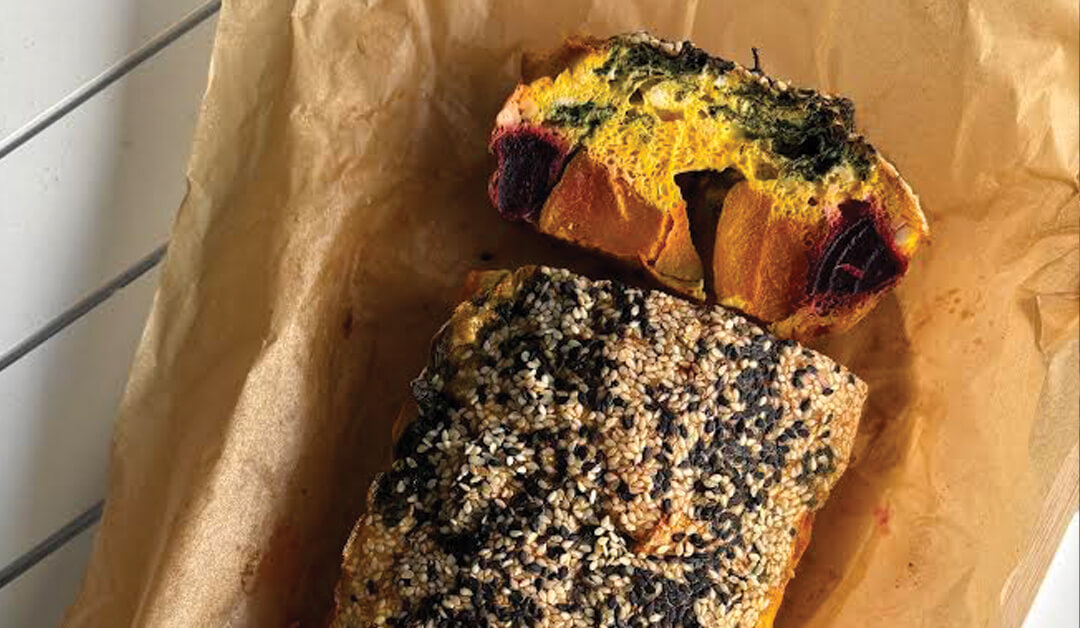
Looking for a simple, nourishing meal that works beautifully in summer? This pumpkin, spinach, beetroot and feta frittata is one of my favourites.
As an acupuncturist with a background in naturopathy, I love bringing together both TCM principles and practical nutrition when thinking about nourishing my body. From a TCM perspective, foods such as eggs, leafy greens, beetroot and seeds are traditionally used to nourish Blood, while pumpkin supports the Spleen and digestion and provides a naturally sweet and nourishing addition to the meal.
I also love this recipe because it doesn’t need to be eaten piping hot. It’s delicious warm or at room temperature, making it a lovely option for a Brisbane summer. And, importantly, it’s a proper meal – with eggs and feta providing protein alongside nourishing vegetables and healthy fats.
What you’ll need
-
1 bag/punnet organic baby spinach, wilted
-
300g pumpkin, cubed + roasted – Japanese/Kent, skin on, is my fave
-
150g beetroot, cubed + roasted
-
100g feta or goat’s cheese, crumbled
-
10-12 eggs, beaten
-
Salt + pepper
-
Seeds (sesame or pumpkin) or nuts (walnuts or flaked almonds) to top and for extra crunch
Method
1. Roast the pumpkin and beetroot in the oven at 160°C for approximately 35 minutes, or until almost cooked.
2. Wilt the baby spinach on the stovetop.
3. Combine the pumpkin, beetroot and spinach in a dish of your choice. I always use my bread tin because I like being able to cut the frittata into slices when it’s done.
4. Break the feta over the vegetables, then pour in the beaten eggs. Season with salt and pepper.
5. Sprinkle over your choice of seeds or nuts – pumpkin seeds, sesame seeds or even walnuts would be delicious.
6. Bake at 160°C for approximately 45 minutes, depending on your oven.
7. Serve on its own, with some tomato relish, a side of sourdough or a simple side salad.
8. Enjoy!
Make it your own
Don’t feel like you need to follow the recipe exactly. Mix it up with whatever you have on hand. You can swap in other veges such as extra leafy greens, tomatoes, mushrooms or other seasonal vegetables. Try different herbs, seeds or nuts depending on what you have in the pantry. The idea is less about following a perfect recipe and more about building a nourishing, satisfying meal with foods that work for you and the season.
Want to learn more?
This recipe was inspired by my approach to Chinese medicine and Blood nourishment in Summer. If you’re curious about what Blood nourishment means, which foods are traditionally used and how to adapt nourishing meals for warmer weather, have a read of: Nourishing Blood in Summer: A Chinese Medicine Approach →