
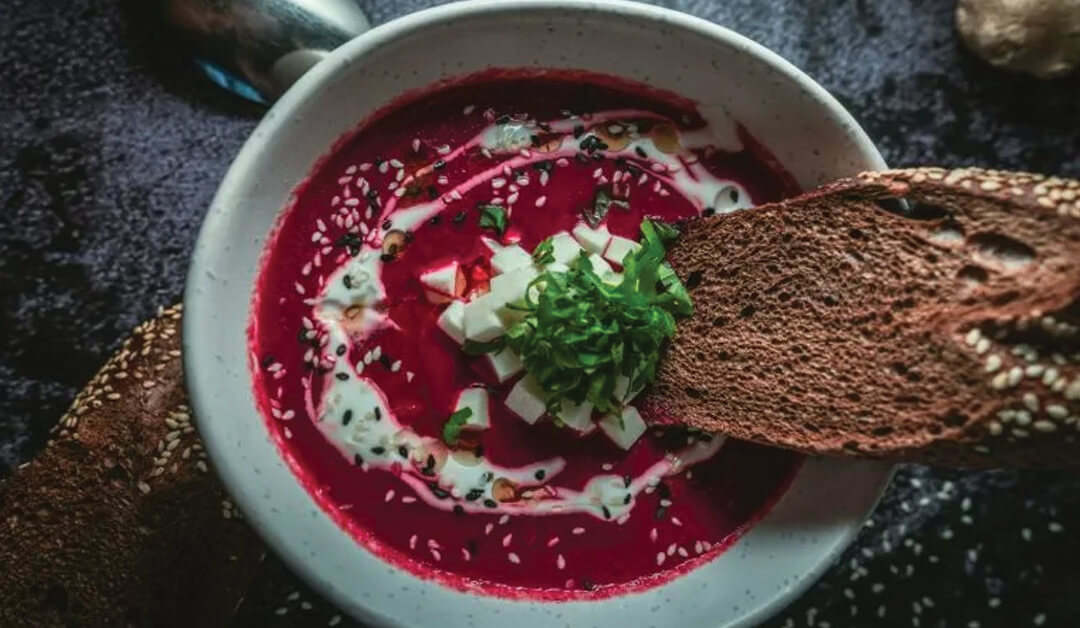
When we talk about nourishing or building Blood at Yin, we often talk about foods that are cooked, warming and deeply nourishing. Things like slow-cooked soups, stews, bone broths and congee – and for good reason. From a Traditional Chinese medicine (TCM) perspective, the way we prepare our food matters. Cooked foods are generally considered easier for the Spleen to digest, transform and transport, helping us get the most from the food we eat. But what happens when it’s 30°C outside?
In Brisbane, sitting down to a steaming bowl of soup or stew in the middle of summer isn’t always particularly appealing, but that doesn’t mean we need to abandon the principles of Chinese medicine. Instead, summer is a good opportunity to adapt them.
What does it mean to nourish Blood in Chinese medicine?
In TCM, Blood has a broader meaning than simply the blood measured through a blood test. It is considered a vital substance that nourishes and moistens the body and has an important relationship with the menstrual cycle, fertility, pregnancy, sleep, skin, hair and overall vitality.
This is one reason Blood nourishment comes up so often in our appointments at Yin. It can be particularly relevant during times when the body has increased nutritional demands – during menstruation, when preparing for pregnancy, throughout pregnancy and in the postpartum period. When supporting fertility, we may be thinking about the menstrual cycle, the quality of the endometrium and the overall resources available to the body as it prepares for conception. During pregnancy, Qi and Blood are considered important for supporting both mother and developing baby, while after birth, the focus shifts towards recovery and rebuilding. In TCM, breast milk is also understood to be derived from Qi and Blood, highlighting the importance of adequate food and nourishment during breastfeeding and the postpartum period.
But nourishing Blood this isn’t only relevant to fertility, pregnancy or postpartum care. Menstruation, busy periods of life, poor appetite or simply feeling depleted can all be times when paying a little more attention to what and how you’re eating may be helpful.
A little bit about the Spleen
The Spleen has an important role when it comes to Blood. Rather than thinking about the Spleen purely as an anatomical organ, TCM describes it as being involved in transforming the food we eat into Qi and Blood and transporting it around the body. This is why digestion matters so much in Chinese medicine. You can eat the most nutrient-dense foods in the world, but if your digestion isn’t coping well, you may not be getting the full nutritional benefit from them.
Don’t forget the protein
When we talk about nourishing the body, we also need to think about whether the meal is providing enough protein, energy and overall nourishment. Protein supports many processes in the body, including tissue repair, hormones, enzymes, immune function and maintaining muscle. For anyone who is menstruating, exercising regularly, recovering from illness or surgery, preparing for pregnancy, pregnant or breastfeeding, making sure meals contain enough protein can be particularly important.

So rather than having a beautiful spinach and beetroot salad and calling it lunch, think about what you can add to make it a proper, satisfying meal. Eggs, fish, chicken, meat, tofu, tempeh, legumes, Greek yoghurt, nuts and seeds can all contribute protein depending on your dietary preferences and needs.
How you eat matters too
It’s not just about what’s on your plate, how you eat matters too. Eating regularly, slowly and mindfully can support comfortable digestion – make sure you chew your food! While eating with the seasons and choosing fresh, nourishing ingredients can help you feel more satisfied and well supported. We much prefer the idea of building a nourishing meal rather than chasing individual foods.
Does Blood-building food have to be hot?
No. When we talk about eating warm, cooked foods, we’re not saying that everything needs to be physically hot. Food can have different energetic qualities depending on what it is, how it’s prepared and how it affects you as an individual. And in a Brisbane summer, room-temperature food is completely reasonable too!
What can Blood-nourishing food look like in summer?
One of my favourite ways to adapt Blood-nourishing eating for summer is to think about warm, lightly cooked or room-temperature meals rather than very cold meals. A summer bowl might include roasted beetroot, pumpkin or sweet potato, lightly cooked leafy greens, quinoa or brown rice, plus a source of protein such as eggs, fish, chicken, tofu or legumes. Add some seeds, nuts, tahini or olive oil and fresh herbs for extra nutrition and flavour.
Foods traditionally used to nourish Blood
Some commonly used Blood-nourishing foods include:
-
Dark leafy greens – spinach, silverbeet, kale and other leafy greens
-
Beetroot
-
Eggs
-
Meat, fish and chicken
-
Black sesame and other seeds
-
Nuts – such as walnuts and almonds
-
Legumes – lentils, chickpeas and other beans
-
Dates and goji berries
-
Berries + dark coloured fruits
You can also adapt traditional nourishing meals for the season:
-
soups for warm grain or vegetable bowls
-
stews for slow-cooked meat with seasonal vegetables
-
congee for savoury rice or quinoa bowls
-
roasted root vegetables for warm roasted vegetable salads
-
steaming hot meals for lightly cooked or room-temperature meals
And yes, a fresh salad, piece of fruit or cooling food can absolutely have a place in summer. Chinese medicine isn’t about rigid food rules. It’s about paying attention to your body, your digestion, the season and what you need at that time.
Think nourishment, not rules 🙂
Perhaps the most useful way to think about Blood-nourishing food is not as a list of foods you should or shouldn’t eat. Instead, ask yourself:
-
Is this meal nourishing me?
-
Is it satisfying?
-
Can I digest it comfortably?
-
Am I eating regularly enough?
-
Am I eating properly?
-
Does it feel appropriate for the season and for me?
In the heat of a Brisbane summer, that might mean a warm salad with roasted vegetables, seeds and a side of protein rather than a hot bowl of soup. And that’s okay. The principles of Chinese medicine can be adapted to every season. You can nourish Blood, support digestion and eat in a way that feels good in summer.
Need some inspo? Why not try our Summer Blood Nourishing Frittata recipe →